ATTENTION: OCD Isn't a Brain Disorder. It's a Belief System.
The book that's helped hundreds of people understand why they're stuck — and what complete recovery actually looks like.
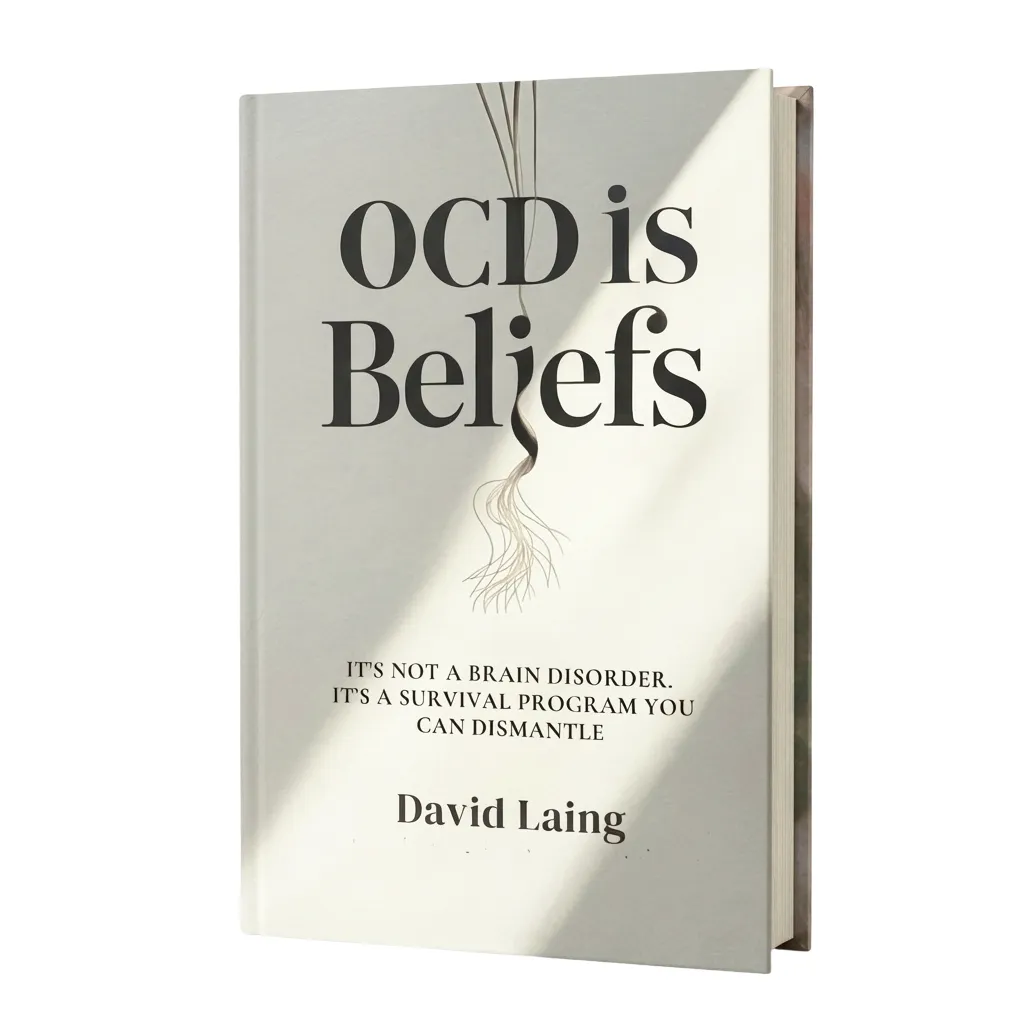
The book that's helped hundreds find relief from OCD.

Deborah F., Lawyer
"An iconic and brilliant work that will fundamentally change the way OCD is viewed forever. David sets out in a very clear and concise manner the structured steps and actions which will enable a person to escape the hopelessness, pain, despair and exhaustion of the cycle they are trapped in."
Imtiaz Uddin, Reader
"I feel like the book carries a very powerful message—that OCD is not something that is manageable, it is fully recoverable, and through the right techniques and process, you can be free from OCD."
Anton B., Program Participant
"My perfectionist urges have decreased significantly... I no longer feel the urge and get lost in doing that compulsive practice. It was a vicious cycle trap, and to let go of it was a big step for me in my freedom from OCD journey."
A Reader
"An extraordinary testament of the strength of spirit... and a clear, structured framework for healing."
OCD IS
BELIEFS
It's Not a Brain Disorder.
It's a Survival Program You Can Dismantle.
This book reveals why complete recovery is possible—and why everything you've tried only got you to management.
ATTENTION: You Don't Have a Broken Brain
"The Missing Piece That Explains Why Your OCD Is Managed—But You're Still Not Free"

Deborah F., Lawyer
"An iconic and brilliant work that will fundamentally change the way OCD is viewed forever. David sets out in a very clear and concise manner the structured steps and actions which will enable a person to escape the hopelessness, pain, despair and exhaustion of the cycle they are trapped in."
Imtiaz Uddin, Reader
"I feel like the book carries a very powerful message—that OCD is not something that is manageable, it is fully recoverable, and through the right techniques and process, you can be free from OCD."
Anton B., Program Participant
"My perfectionist urges have decreased significantly... I no longer feel the urge and get lost in doing that compulsive practice. It was a vicious cycle trap, and to let go of it was a big step for me in my freedom from OCD journey."
A Reader
"An extraordinary testament of the strength of spirit... and a clear, structured framework for healing."
OCD IS
BELIEFS
It's Not a Brain Disorder.
It's a Survival Program You Can Dismantle.
This book reveals why complete recovery is possible—and why everything you've tried only got you to management.
You've done the work.
ERP. Medication. Therapy.
And it helped—to a point.
You're functional. You hold down a job. You maintain relationships. You look "together" on the outside.
But underneath?
You're not free. You're surviving.
The best anyone has offered you is "learning to live with it."
Management. Coping. A lifetime sentence dressed up as success.
What if that's not the ceiling?
Why You're Still Stuck (Even After Doing Everything "Right")
ERP teaches you to resist compulsions.
Medication lowers your baseline anxiety.
ACT helps you accept your thoughts.
iCBT helps you recognize faulty reasoning and stay grounded in reality.
These approaches work—for management.
They helped me function. They took the edge off.
But they never got to the root.
They never explained why certain thoughts generated such unbearable urgency.
Even iCBT's own practitioners admit there's a "persistent undercurrent"—an unease that remains even when you successfully stay out of the OCD bubble.
That undercurrent is the signal they can't reach.
They treated the alarm—not the fire.
Here's What No One Told You
OCD isn't driven by thoughts. It's driven by beliefs.
Underneath every compulsion is a Core Limiting Belief—a deep, embodied conviction like:
"I am bad."
"I am not enough."
"I am powerless."
These beliefs generate unbearable feelings in your body.
The compulsion is your mind's desperate attempt to get relief from that feeling.
And here's the trap:
When the compulsion brings relief, it reinforces the original belief.
This is why you're stuck.
Not because you haven't tried hard enough.
But because no one showed you how to dismantle the belief engine itself.
The Discovery That Changed Everything
I spent over a decade trying everything.
The worst was a compulsion to shave my head every ten days. I knew it was irrational. I couldn't stop.
One day, outside the barbershop, I broke down completely.
That was the moment I asked a different question.
Not "How do I resist this?"
But "What would I have to believe about myself to feel this desperate need?"
The answer cracked everything open.
My compulsions weren't random. They were attempts to escape deep beliefs I had about myself.
Once I started targeting those beliefs directly—everything changed.
Introducing
The Belief Breakthrough™
A Framework for Complete Recovery
This approach is built on two integrated pillars that work together to dismantle OCD at its source.
The Two Pillars:
Pillar 1: Unconditional Acceptance
Learning to be with the uncomfortable feelings your beliefs generate—without compulsive reactivity. Not fighting. Not fleeing. Just allowing.
Pillar 2: Core Limiting Belief Work
Systematically identifying and transforming the beliefs themselves. When the belief loses its power, the fear loses its charge—and the compulsion becomes unnecessary.
These two pillars work together.
→ As beliefs weaken, acceptance becomes easier.
→ As acceptance develops, deeper belief work becomes possible.
This isn't management—this is dismantling OCD at its source.
You've done the work.
ERP. Medication. Therapy.
And it helped—to a point.
You're functional. You hold down a job. You maintain relationships. You look "together" on the outside.
But underneath?
You're not free. You're surviving.
The best anyone has offered you is "learning to live with it."
Management. Coping. A lifetime sentence dressed up as success.
What if that's not the ceiling?
Why You're Still Stuck (Even After Doing Everything "Right")
ERP teaches you to resist compulsions.
Medication lowers your baseline anxiety.
ACT helps you accept your thoughts.
iCBT helps you recognize faulty reasoning and stay grounded in reality.
These approaches work—for management.
They helped me function. They took the edge off.
But they never got to the root.
They never explained why certain thoughts generated such unbearable urgency.
Even iCBT's own practitioners admit there's a "persistent undercurrent"—an unease that remains even when you successfully stay out of the OCD bubble.
That undercurrent is the signal they can't reach.
They treated the alarm—not the fire.
Here's What No One Told You
OCD isn't driven by thoughts. It's driven by beliefs.
Underneath every compulsion is a Core Limiting Belief—a deep, embodied conviction like:
"I am bad."
"I am not enough."
"I am powerless."
These beliefs generate unbearable feelings in your body.
The compulsion is your mind's desperate attempt to get relief from that feeling.
And here's the trap:
When the compulsion brings relief, it reinforces the original belief.
This is why you're stuck.
Not because you haven't tried hard enough.
But because no one showed you how to dismantle the belief engine itself.
The Discovery That Changed Everything
I spent over a decade trying everything.
The worst was a compulsion to shave my head every ten days. I knew it was irrational. I couldn't stop.
One day, outside the barbershop, I broke down completely.
That was the moment I asked a different question.
Not "How do I resist this?"
But "What would I have to believe about myself to feel this desperate need?"
The answer cracked everything open.
My compulsions weren't random. They were attempts to escape deep beliefs I had about myself.
Once I started targeting those beliefs directly—everything changed.
Introducing
The Belief Breakthrough™
A Framework for Complete Recovery
This approach is built on two integrated pillars that work together to dismantle OCD at its source.
The Two Pillars:
Pillar 1: Unconditional Acceptance
Learning to be with the uncomfortable feelings your beliefs generate—without compulsive reactivity. Not fighting. Not fleeing. Just allowing.
Pillar 2: Core Limiting Belief Work
Systematically identifying and transforming the beliefs themselves. When the belief loses its power, the fear loses its charge—and the compulsion becomes unnecessary.
These two pillars work together.
→ As beliefs weaken, acceptance becomes easier.
→ As acceptance develops, deeper belief work becomes possible.
This isn't management—this is dismantling OCD at its source.
What Others Are Saying
"An iconic and brilliant work that will fundamentally change the way OCD is viewed forever. David sets out in a very clear and concise manner the structured steps and actions which will enable a person to escape the hopelessness, pain, despair and exhaustion of the cycle they are trapped in."
— Deborah F., Lawyer
"I feel like the book carries a very powerful message—that OCD is not something that is manageable, it is fully recoverable, and through the right techniques and process, you can be free from OCD."
— Imtiaz U., Reader
"My perfectionist urges have decreased significantly... I no longer feel the urge and get lost in doing that compulsive practice. It was a vicious cycle trap, and to let go of it was a big step for me in my freedom from OCD journey."
— Anton B., Program Participant
"An extraordinary testament of the strength of spirit... and a clear, structured framework for healing."
— A Reader
What Others Are Saying
"An iconic and brilliant work that will fundamentally change the way OCD is viewed forever. David sets out in a very clear and concise manner the structured steps and actions which will enable a person to escape the hopelessness, pain, despair and exhaustion of the cycle they are trapped in."
— Deborah F., Lawyer
"I feel like the book carries a very powerful message—that OCD is not something that is manageable, it is fully recoverable, and through the right techniques and process, you can be free from OCD."
— Imtiaz U., Reader
"My perfectionist urges have decreased significantly... I no longer feel the urge and get lost in doing that compulsive practice. It was a vicious cycle trap, and to let go of it was a big step for me in my freedom from OCD journey."
— Anton B., Program Participant
"An extraordinary testament of the strength of spirit... and a clear, structured framework for healing."
— A Reader
What You'll Discover Inside
1. The Relief Trap
The self-sealing loop where every compulsion you do to feel better actually strengthens the belief making you feel worse.
2. The ITCH Mechanism
Why your mind hunts for the exact intrusive thought that confirms your deepest fear about yourself—and why this changes everything.
3. The 5 Core Identity Beliefs
Every OCD theme traces back to one of five beliefs. Find yours, and the whole system finally makes sense.
4. Why Positive Experiences Trigger Spikes
The counterintuitive reason good things can feel dangerous—and what it reveals about the real engine of OCD.
5. The Fire/Smoke/Alarm Problem
Why ERP, medication, and ACT are world-class tools for fighting the alarm—while the fire keeps burning underneath.
6. Unconditional Acceptance
Not mental strategies. The actual practice of shifting attention to sensation and letting frozen energy move.
7. The Survival Hijack
Why these beliefs are so hard to release—they've literally convinced your nervous system that letting go means death.
8. Why Fear Spikes Mean You're Close
The paradox: terror often intensifies right before a belief collapses. Learn to read the signal instead of running.
9. Your Fear Hierarchy Roadmap
How to systematically dismantle OCD starting with your easiest fears—building real capacity instead of white-knuckling.
10. Why Complete Recovery Is the Logical Outcome
When you address the actual cause, freedom isn't something you hope for—it's what happens.
Is This Right For You?
This book is for you if:
✅ You're stable but stuck. You can manage day-to-day life. You hold down a job, maintain relationships, function on the surface. But underneath, you know you're not truly living—you're surviving.
✅ You're frustrated with "management." You've tried conventional treatments. Maybe ERP helped. Maybe medication takes the edge off. But you've hit the plateau where the best anyone offers is "learning to live with it." That's not enough anymore.
✅ You believe deeper healing is possible. Something inside you rejects the idea that OCD is simply "chronic and lifelong." You suspect there are underlying causes that need to be addressed, not just managed.
✅ You're ready for the real work. You've moved beyond hoping for a magic solution. You understand that real change requires courage and commitment.
This is NOT for those who:
🚫 Want a quick fix without doing the inner work
🚫 Are looking for another coping strategy to add to the pile
🚫 Believe OCD is just something you have to live with forever
🚫 Aren't willing to feel uncomfortable emotions as part of the process
What You'll Discover Inside
1. The Relief Trap
The self-sealing loop where every compulsion you do to feel better actually strengthens the belief making you feel worse.
2. The ITCH Mechanism
Why your mind hunts for the exact intrusive thought that confirms your deepest fear about yourself—and why this changes everything.
3. The 5 Core Identity Beliefs
Every OCD theme traces back to one of five beliefs. Find yours, and the whole system finally makes sense.
4. Why Positive Experiences Trigger Spikes
The counterintuitive reason good things can feel dangerous—and what it reveals about the real engine of OCD.
5. The Fire/Smoke/Alarm Problem
Why ERP, medication, and ACT are world-class tools for fighting the alarm—while the fire keeps burning underneath.
6. Unconditional Acceptance
Not mental strategies. The actual practice of shifting attention to sensation and letting frozen energy move.
7. The Survival Hijack
Why these beliefs are so hard to release—they've literally convinced your nervous system that letting go means death.
8. Why Fear Spikes Mean You're Close
The paradox: terror often intensifies right before a belief collapses. Learn to read the signal instead of running.
9. Your Fear Hierarchy Roadmap
How to systematically dismantle OCD starting with your easiest fears—building real capacity instead of white-knuckling.
10. Why Complete Recovery Is the Logical Outcome
When you address the actual cause, freedom isn't something you hope for—it's what happens.
Is This Right For You?
This book is for you if:
✅ You're stable but stuck. You can manage day-to-day life. You hold down a job, maintain relationships, function on the surface. But underneath, you know you're not truly living—you're surviving.
✅ You're frustrated with "management." You've tried conventional treatments. Maybe ERP helped. Maybe medication takes the edge off. But you've hit the plateau where the best anyone offers is "learning to live with it." That's not enough anymore.
✅ You believe deeper healing is possible. Something inside you rejects the idea that OCD is simply "chronic and lifelong." You suspect there are underlying causes that need to be addressed, not just managed.
✅ You're ready for the real work. You've moved beyond hoping for a magic solution. You understand that real change requires courage and commitment.
This is NOT for those who:
🚫 Want a quick fix without doing the inner work
🚫 Are looking for another coping strategy to add to the pile
🚫 Believe OCD is just something you have to live with forever
🚫 Aren't willing to feel uncomfortable emotions as part of the process
Frequently Asked Questions (FAQs)
Q1: Are you a licensed therapist?
No. I'm someone who completely recovered from OCD after a decade of traditional treatment—and now helps others do the same. I don't offer therapy. I offer a framework based on what actually worked when therapy hit its ceiling.
Q2: Is this anti-ERP or anti-medication?
No. ERP and medication aren't wrong—they're incomplete. ERP teaches you to resist compulsions, but it has nothing to say about why this specific thought triggers you. That comes from the beliefs underneath. My framework addresses the piece that traditional approaches miss.
Q3: Is complete recovery actually possible—or is OCD something I'll always have?
You've been told OCD is forever. That's the standard message. But complete recovery isn't about removing something—it's about becoming someone different. When you transform the beliefs that generate OCD, the compulsions become unnecessary. That's not management. That's freedom.
Q4: What if my OCD is different or more severe?
Everyone thinks their OCD is unique—that's part of how the belief system keeps you isolated. But underneath all the different themes, the same architecture is running. The method applies regardless of your specific presentation.
Q5: Can I do this alone, or do I need to work with someone?
The book gives you the complete framework. Many people make significant progress on their own. Others choose to work with guidance for personalized support through their specific fear hierarchy. Both paths work.
Frequently Asked Questions (FAQs)
Q1: Are you a licensed therapist?
No. I'm someone who completely recovered from OCD after a decade of traditional treatment—and now helps others do the same. I don't offer therapy. I offer a framework based on what actually worked when therapy hit its ceiling.
Q2: Is this anti-ERP or anti-medication?
No. ERP and medication aren't wrong—they're incomplete. ERP teaches you to resist compulsions, but it has nothing to say about why this specific thought triggers you. That comes from the beliefs underneath. My framework addresses the piece that traditional approaches miss.
Q3: Is complete recovery actually possible—or is OCD something I'll always have?
You've been told OCD is forever. That's the standard message. But complete recovery isn't about removing something—it's about becoming someone different. When you transform the beliefs that generate OCD, the compulsions become unnecessary. That's not management. That's freedom.
Q4: What if my OCD is different or more severe?
Everyone thinks their OCD is unique—that's part of how the belief system keeps you isolated. But underneath all the different themes, the same architecture is running. The method applies regardless of your specific presentation.
Q5: Can I do this alone, or do I need to work with someone?
The book gives you the complete framework. Many people make significant progress on their own. Others choose to work with guidance for personalized support through their specific fear hierarchy. Both paths work.
About The Author
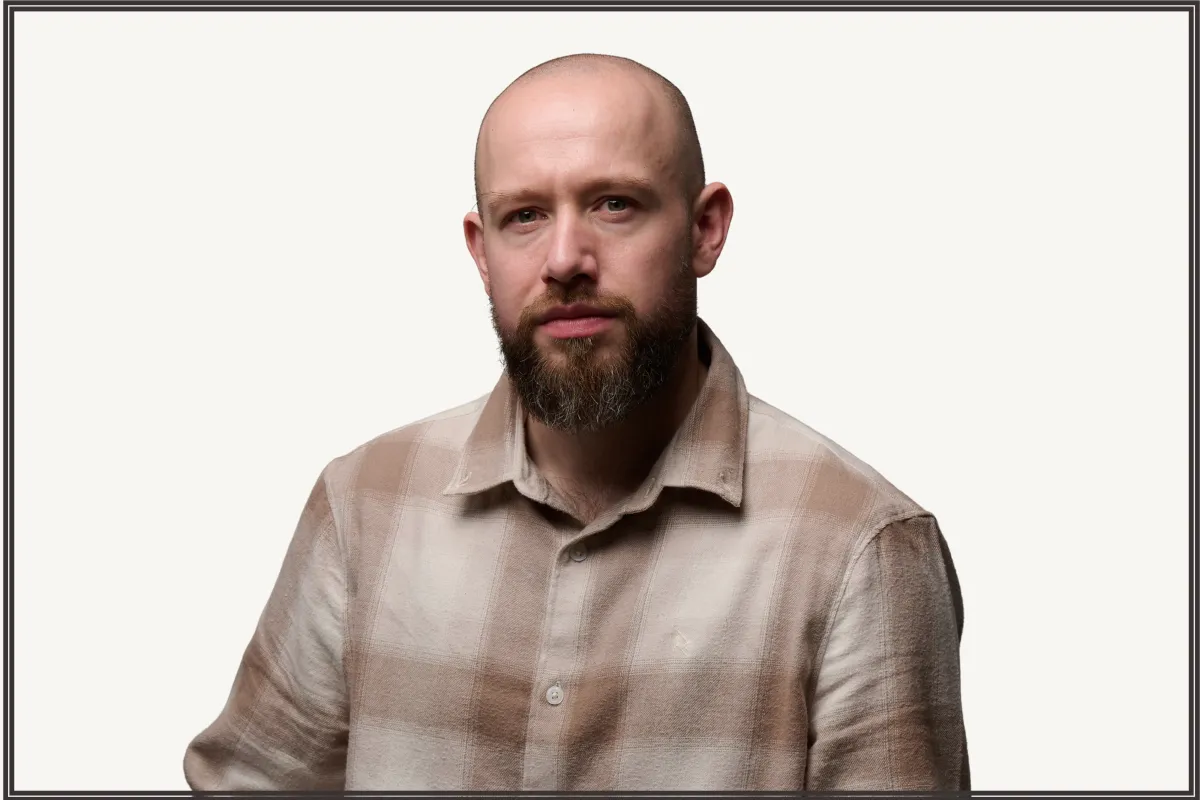
David Laing is closing the gap between what people with OCD are told is possible—and what actually is.
The standard message: OCD is chronic. Learn to cope. This is your life now.
David spent a decade inside that system. ERP. Medication. Therapy. It helped him function—but it never set him free.
So he spent many years figuring out what the traditional approaches were missing. What he found: OCD isn't driven by thoughts. It's driven by core limiting beliefs. Transform those beliefs, and the compulsions become unnecessary.
David achieved complete recovery. He's not a licensed therapist—he's someone who refused to accept "lifelong management" as the ceiling.
Now he helps others do what he was told was impossible.
© Copyright 2025 OCD Is Beliefs. All rights reserved.
OCD Isn't a Brain Disorder. It's a Belief System.
The book that's helped hundreds of people understand why they're stuck — and what complete recovery actually looks like.
© Copyright 2025 OCD Is Beliefs. All rights reserved.